
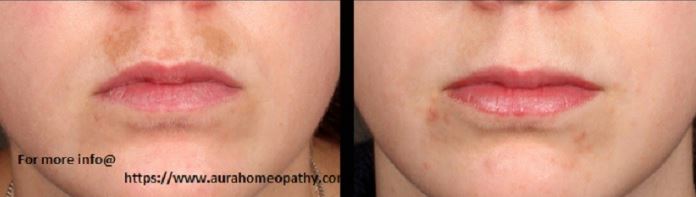
Homeopathy Treatment For Melasma
Melasma: Causes, Types, Symptoms & Homeopathic Treatment Options
| Written by: Dr. Abhishek Kasana, M.D. (Hom.) Founder & Chief Consultant, Aura Homeopathy Clinic | Reviewed by: Medical Team, Aura Homeopathy Clinic Last Updated: June 2026 |
| Quick Answer: Melasma is a chronic skin condition marked by symmetrical brown or greyish-brown patches, most commonly appearing on the face. It develops when melanocytes—the pigment-producing cells in the skin—become overactive due to triggers such as sun exposure, hormonal changes, or genetic predisposition. While melasma is not medically harmful, it can significantly affect appearance and self-confidence. Conventional treatments help manage it, and some individuals explore complementary approaches such as homeopathy treatment for long-term, individualised support. Aura Homeopathy Treatment For Melasma specializes in treating melasma with personalized homeopathy treatments, focusing on the root causes to not only diminish the appearance of dark patches but also restore the skin’s overall health. |
Table of Contents
- What Is Melasma?
- Why Does Melasma Happen? (Causes & Triggers)
- Types of Melasma
- Common Symptoms of Melasma
- Risk Factors
- How Is Melasma Diagnosed?
- Available Treatment Options
- What Is the Role of Homeopathy in Melasma Management?
- Lifestyle Recommendations
- Diet Guidance for Skin Health
- Practical Daily Tips for People with Melasma
- Common Mistakes to Avoid
- When Should You Seek Medical Advice?
- Frequently Asked Questions (FAQs)
- Key Takeaways
- About Aura Homeopathy Clinic
- References
Introduction

Homeopathy Treatment For Melasma
Melasma is one of the most common yet often misunderstood skin pigmentation disorders affecting millions of people worldwide. If you have noticed stubborn brown patches on your cheeks, forehead, or upper lip that seem to darken in the summer and fade slightly in the winter, there is a good chance you are dealing with melasma. Despite being harmless from a medical standpoint, this condition can feel deeply frustrating—especially because it tends to recur even after treatment. Also Read: Homeopathy Treatment For Pigmentation.
Understanding melasma goes beyond identifying the patches on your skin. It requires knowing why those patches form in the first place, what keeps triggering them, and what realistic management looks like—because melasma is rarely a condition that disappears permanently with a single treatment. This guide aims to give you a thorough, evidence-informed understanding of melasma so you can make better decisions about your skin health.
This article covers the science behind melasma, its different types, conventional treatment approaches, dietary and lifestyle strategies, and an objective look at how some individuals incorporate homeopathy into their broader skin care plan. Whether you are newly diagnosed or have been managing melasma for years, you will find actionable, trustworthy information here.
1. What Is Melasma?
Melasma is a common, acquired pigmentary disorder in which the skin produces excess melanin—the natural pigment that gives colour to our skin, hair, and eyes. This overproduction leads to the formation of flat, irregular, brownish or grey-brown patches that appear predominantly on sun-exposed areas of the face. The word “melasma” comes from the Greek word melas, meaning black. Also Read: Homeopathy Treatment For Chloasma.
The condition is also known as chloasma, particularly when it develops during pregnancy, giving rise to the term “mask of pregnancy.” Melasma affects all skin types but is significantly more prevalent in individuals with medium to dark skin tones—Fitzpatrick skin types III through VI. This includes people of South Asian, East Asian, Middle Eastern, Latin American, and African descent.
Melasma is predominantly a condition of women. Studies consistently show that approximately 90 percent of people with melasma are female, with onset most frequently occurring between the ages of 20 and 40—the reproductive years. However, men can and do develop melasma, accounting for roughly 10 percent of cases.
Types of Melasma
Dermatologists classify melasma into three main types based on the depth of pigmentation in the skin layers:
| Type | Appearance | Skin Layer | Response to Treatment |
| Epidermal | Dark brown, well-defined edges | Outer skin layer (epidermis) | Generally responds better to treatment |
| Dermal | Light brown to bluish-grey, blurred borders | Deeper skin layer (dermis) | More resistant to topical treatment |
| Mixed | Both brown and bluish patches (most common type) | Both epidermal and dermal layers | Shows partial response to treatment |
Mixed melasma, which involves both epidermal and dermal pigmentation, is the most commonly encountered type in clinical practice. This makes treatment more complex, as dermal pigmentation is harder to reach with topical agents alone.
2. Why Does Melasma Happen? Causes and Triggers
Melasma does not have a single definitive cause. Instead, it develops through a combination of genetic predisposition, hormonal influences, and environmental triggers that together stimulate melanocytes to overproduce pigment. Understanding these factors is essential for effective management.
Sun and UV Exposure
Ultraviolet radiation is considered the most significant external trigger for melasma. UV-A and UV-B rays stimulate melanocytes in the skin, prompting them to produce and release more melanin as a protective response. Crucially, even visible light—particularly from high-energy sources such as blue light emitted by digital screens—has been shown in emerging research to activate melanocyte activity in individuals prone to pigmentation disorders. This means that standard sunscreens blocking only UV-B rays may offer incomplete protection.
Hormonal Influences
Hormones play a central role in melasma, which explains its strong association with pregnancy, oral contraceptive use, and hormone replacement therapy. Estrogen and progesterone can sensitise melanocytes and increase their response to UV exposure. During pregnancy, elevated levels of melanocyte-stimulating hormone (MSH) in the third trimester further amplify pigment production. Interestingly, research also shows that progesterone appears to have a stronger melasma-promoting effect than estrogen alone—evidenced by the fact that postmenopausal women given progesterone may develop melasma, while those given estrogen alone typically do not.
Genetic Predisposition
Family history is a significant risk factor. Studies report that approximately 50 percent of people with melasma have at least one first-degree relative with the condition. Identical twins have been documented developing melasma simultaneously, further supporting a strong genetic component. People with naturally darker skin tones inherit higher baseline melanocyte activity, making them more susceptible.
Thyroid Dysfunction
There is a recognised clinical association between thyroid disorders and melasma. Research indicates that individuals with melasma have a fourfold higher incidence of thyroid disease compared to the general population. The exact mechanism is not fully understood, but thyroid hormones are known to influence melanocyte function.
Medications and Cosmetics
Certain medications can increase the skin’s sensitivity to light, raising the risk of melasma. These include some antiepileptic drugs, phototoxic medications, and some herbal supplements. Some cosmetic products containing fragrances or irritants can also aggravate pigmentation.
LED and Blue Light Exposure
Emerging evidence suggests that prolonged exposure to blue light emitted by televisions, laptops, smartphones, and tablets may contribute to or worsen melasma—particularly in individuals already predisposed. This is an evolving area of research but is increasingly considered by dermatologists in the management of screen-heavy lifestyles.
3. Common Symptoms of Melasma
Melasma is primarily a visual condition. Its symptoms are defined by specific patterns and characteristics of discoloration:
- Flat, irregularly shaped patches of brown, dark brown, or grey-brown pigmentation on the skin
- Patches that are typically symmetrical—appearing on both sides of the face in a mirror-image pattern
- Most commonly located on the cheeks, forehead, bridge of the nose, upper lip, and chin
- Patches may also appear on the neck, forearms, and other areas frequently exposed to sunlight
- Discoloration tends to worsen in summer (with increased sun exposure) and may fade slightly in winter
- No associated pain, itching, or inflammation—the patches are flat and painless
- In some cases, patches become more prominent during pregnancy or while taking hormonal medications
| Important: Melasma patches do not cause physical discomfort such as itching, burning, or pain. If you experience these symptoms alongside pigmentation changes, consult a dermatologist to rule out other skin conditions. |
4. Who Is at Risk? Risk Factors for Melasma
Several factors increase a person’s likelihood of developing melasma. Being aware of these can help in prevention and earlier management:
| Risk Factor | Details |
| Female sex | Around 90% of those affected are women; hormonal variations play a significant role. |
| Darker skin tone | Individuals with Fitzpatrick skin types III–VI have more active melanocytes and higher susceptibility. |
| Pregnancy | 15–50% of pregnant women develop melasma, often called chloasma or the mask of pregnancy. |
| Hormonal contraceptives | Oral contraceptive pills containing estrogen and progesterone can trigger or worsen melasma. |
| Family history | Approximately 50% of those with melasma report a positive family history of the condition. |
| Extensive sun exposure | Living in high-UV regions or spending significant time outdoors without sun protection increases risk. |
| Thyroid disorders | A fourfold increased incidence of thyroid disease has been observed in people with melasma. |
| Phototoxic medications | Certain antiseizure drugs, antibiotics, and other medications may increase UV sensitivity. |
| Age 20–40 | Most cases develop during the reproductive years, though it can appear at other stages of life. |
5. How Is Melasma Diagnosed?
Melasma is typically diagnosed through a clinical evaluation by a qualified dermatologist. In most cases, a thorough visual examination of the affected skin is sufficient for a confident diagnosis. However, additional assessments may be used to understand the depth of pigmentation and rule out other conditions.
Clinical (Visual) Examination
A dermatologist will examine the distribution, colour, and border characteristics of the patches. The symmetrical pattern, typical facial locations, and the patient’s history of sun exposure, hormonal use, or pregnancy are important diagnostic clues.
Wood’s Lamp Examination
A Wood’s lamp emits ultraviolet light that helps the dermatologist determine the depth of pigmentation. Under this light, epidermal melasma appears more prominent (enhanced), dermal melasma shows no enhancement, and mixed melasma shows a partial response. This distinction guides treatment planning.
Dermoscopy
A dermatoscope—a handheld device that magnifies skin structures—allows the clinician to examine the pigmentation pattern in greater detail and differentiate melasma from other pigmentary disorders such as post-inflammatory hyperpigmentation, nevus of Ota, or solar lentigines.
Skin Biopsy (Rarely Required)
A biopsy is performed only when the diagnosis is uncertain or when a more serious skin condition needs to be excluded. It involves removing a small sample of skin tissue for microscopic examination. This is not routinely required for straightforward melasma.
6. Available Treatment Options for Melasma
Melasma is a challenging condition to treat, and complete, permanent clearance is not always achievable. The goal of treatment is to reduce the visibility of pigmentation, prevent further darkening, and maintain results over time. A combination of approaches often works better than any single treatment.
Sun Protection: The Foundation of All Treatment
Regardless of any other treatment chosen, consistent and correct sun protection is non-negotiable in melasma management. UV exposure is the primary trigger, and without adequate photoprotection, any improvement achieved through other treatments will be short-lived.
- Use a broad-spectrum sunscreen with SPF 30 or higher every day, including on cloudy days
- Choose formulations that protect against both UV-A and UV-B rays; look for ‘PA+++’ or ‘broad-spectrum’ labelling
- Reapply every two hours when outdoors
- Supplement with physical protection: wide-brimmed hats, UV-protective clothing, and seeking shade
- Consider sunscreens with added iron oxide, which can help block visible/blue light
Topical Depigmenting Agents
These are first-line treatments prescribed by dermatologists. They work by inhibiting melanin production at various stages:
- Hydroquinone: The most widely studied topical agent for melasma. It works by inhibiting the enzyme tyrosinase, which is key to melanin production. Available in 2–4% concentrations. Long-term use requires medical supervision due to potential side effects.
- Azelaic Acid: A naturally occurring dicarboxylic acid that selectively targets overactive melanocytes. Generally well-tolerated, including in pregnancy (consult your doctor first).
- Kojic Acid: Derived from fungi, it inhibits tyrosinase activity. Often found in combination creams.
- Tranexamic Acid: Available in topical, oral, and injectable forms. Increasingly popular for its efficacy and tolerability.
- Niacinamide: A form of vitamin B3 that reduces the transfer of melanin to skin cells. Gentle and suitable for sensitive skin.
- Retinoids: Topical retinoids such as tretinoin speed up skin cell turnover, helping to shed pigmented cells faster. Often used in combination formulas.
- Triple Combination Cream: A well-researched formulation combining hydroquinone, tretinoin, and a mild topical corticosteroid. Considered highly effective but used under dermatological guidance.
Procedural and Clinical Treatments
When topical agents alone are insufficient, dermatologists may recommend in-clinic procedures:
- Chemical Peels: Glycolic acid, salicylic acid, or trichloroacetic acid peels remove the outermost skin layers, helping to lighten pigmentation. Must be performed by trained professionals.
- Microneedling: Creates controlled micro-injuries to stimulate collagen and improve skin texture, sometimes combined with depigmenting agents.
- Laser and Light Therapies: Q-switched Nd:YAG laser and low-fluence lasers are used in carefully selected cases. However, lasers carry a risk of worsening pigmentation in darker skin types if not performed by an experienced specialist.
- Oral Tranexamic Acid: A systemic option for refractory cases, to be prescribed and monitored by a physician.
| Note: All clinical procedures for melasma carry a risk of post-procedure hyperpigmentation, especially in darker skin types. Always consult a qualified dermatologist before undergoing any procedural treatment. |
7. What Is the Role of Homeopathy in Melasma Management?
Homeopathy is a system of traditional medicine developed in the late 18th century, based on the principle that a highly diluted substance that produces symptoms in a healthy person can support the body’s own healing processes in someone experiencing those symptoms. In the context of melasma, homeopathy does not target the pigmentation directly as a biochemical problem. Instead, it approaches the individual as a whole—considering physical symptoms, hormonal patterns, emotional tendencies, and overall constitution—with the aim of supporting systemic balance.
In traditional homeopathic practice, melasma is understood as an outward expression of an internal imbalance. A qualified homeopathic practitioner will gather detailed information about the nature of the patches, their onset and triggers, associated hormonal health, digestive patterns, sleep, emotional state, and personal and family medical history before selecting a remedy. This individualised approach means that two people with visually similar melasma may receive entirely different remedies.
| Important Disclaimer: Homeopathy is a complementary approach. It should not replace dermatological evaluation, prescribed treatments, or consistent sun protection. Individuals with melasma are encouraged to work with both a qualified dermatologist and, if they choose, a licensed homeopathic practitioner. No homeopathic remedy should be self-prescribed for a skin condition. |
The following are some of the remedies traditionally considered in homeopathic practice for skin pigmentation concerns. These descriptions reflect their traditional use and associated symptom patterns—they are not prescriptions, and outcomes vary significantly between individuals.
Sepia Officinalis
Traditional Homeopathic Use
Sepia is one of the most frequently referenced remedies in homeopathic literature for facial discoloration and pigmentation. It is derived from the ink of the cuttlefish and has a long history of traditional use in conditions involving hormonal imbalance and skin pigmentation.
Symptom Patterns Associated in Homeopathic Literature
- Yellowish-brown or sallow patches across the cheeks, forehead, and nose (sometimes described as a saddle pattern)
- Dark circles or pigmentation around the eyes
- Facial pigmentation that appears or worsens during pregnancy, after childbirth, or around menopause
- Associated feelings of fatigue, emotional flatness, or hormonal irregularity
Situations Where Practitioners May Consider It
Traditionally considered when melasma has a clear hormonal link—particularly around pregnancy or menstrual irregularity—and is accompanied by a broader constitutional picture of hormonal imbalance.
| Treatment is individualized: Whether Sepia is appropriate depends on the full symptom picture of the individual, not the pigmentation alone. A qualified practitioner must assess each case. |
Berberis Aquifolium
Traditional Homeopathic Use
Berberis Aquifolium, derived from the Oregon grape plant, is traditionally used in homeopathy for various skin conditions, particularly where pigmentation follows skin eruptions or where the skin has a rough, dry, or uneven texture.
Symptom Patterns Associated in Homeopathic Literature
- Pigmentation spots or uneven skin tone, especially on the face
- Skin that appears dry, rough, or scaly alongside discoloration
- Post-acne pigmentation or marks left after skin eruptions have resolved
Situations Where Practitioners May Consider It
May be considered in cases where melasma or pigmentation is associated with acne-prone or eruptive skin history, combined with dryness.
| Treatment is individualized: Berberis Aquifolium is selected based on the complete symptom picture, not any single feature. Professional assessment is essential. |
Cadmium Sulphuratum
Traditional Homeopathic Use
Cadmium Sulphuratum is referenced in homeopathic materia medica for skin conditions with pigmentary changes, particularly where sun or wind exposure plays an aggravating role.
Symptom Patterns Associated in Homeopathic Literature
- Yellowish to brownish pigmented patches on the face, notably on the nose and cheeks
- Pigmentation that worsens with sun exposure or wind
- Possible associated facial itching
Situations Where Practitioners May Consider It
Considered in cases where environmental exposure—particularly sunlight or cold wind—is a clear aggravating factor in pigmentation.
| Treatment is individualized: This remedy is not a standard prescription for melasma. Its use depends on a comprehensive case evaluation by a trained homeopathic practitioner. |
Pulsatilla Nigricans
Traditional Homeopathic Use
Pulsatilla, derived from the windflower plant, is one of the most commonly used remedies in classical homeopathy, particularly for conditions in women that have a clear hormonal or menstrual connection.
Symptom Patterns Associated in Homeopathic Literature
- Facial pigmentation associated with menstrual irregularities such as delayed, scanty, or suppressed periods
- Freckle-like or patchy discoloration on the face
- Skin changes associated with emotional sensitivity and hormonal fluctuation
Situations Where Practitioners May Consider It
Traditionally considered when pigmentation has a strong menstrual or hormonal correlation, particularly in individuals whose symptoms change with hormonal cycles.
| Treatment is individualized: Pulsatilla is a constitutional remedy selected on a broad range of physical and emotional characteristics, not pigmentation alone. |
Sulphur
Traditional Homeopathic Use
Sulphur is a widely used polychrest remedy in classical homeopathy, traditionally associated with skin conditions characterised by heat, itching, and a general state of congestion or stagnation in the system.
Symptom Patterns Associated in Homeopathic Literature
- Facial pigmentation with dry, rough, or unhealthy-looking skin
- Itching or burning sensation on the face that worsens with heat
- History of skin conditions previously treated with topical suppressive applications
Situations Where Practitioners May Consider It
May be considered in cases where melasma is accompanied by dry, rough, or reactive skin and a history of extensive topical treatment. Often used as a constitutional or preparatory remedy.
| Treatment is individualized: Sulphur has a broad action and is not specific to melasma. Its prescription is based on the totality of symptoms and the individual’s constitution. |
Psorinum
Traditional Homeopathic Use
Psorinum is derived from scabies vesicle material and is used in homeopathy for chronic skin conditions, particularly where the skin has a greasy, waxy, or devitalised quality.
Symptom Patterns Associated in Homeopathic Literature
- Facial pigmentation with oily, greasy, or waxy skin
- Skin that appears dull, pale, or lacking vitality
- Pigmented spots possibly accompanied by papular or pustular acne
Situations Where Practitioners May Consider It
Considered in chronic skin conditions where pigmentation is part of a broader picture of skin with poor tone, oiliness, and devitalisation.
| Treatment is individualized: As with all homeopathic remedies, Psorinum is prescribed based on the complete symptom and constitutional picture of the individual. |
8. Lifestyle Recommendations for Managing Melasma
While no lifestyle change can eliminate melasma entirely, several consistent habits can significantly slow its progression, prevent worsening, and support whatever treatment plan you follow.
- Commit to daily sun protection: This is the single most impactful lifestyle change for melasma. Apply a broad-spectrum SPF 30+ sunscreen every morning—regardless of weather or season. Use protective clothing when outdoors.
- Minimise peak sun exposure: Avoid being outdoors during peak UV hours (typically 10 am to 4 pm). When you must be outside, wear wide-brimmed hats and UV-protective clothing.
- Reduce screen exposure where possible: Emerging evidence suggests blue light from digital screens can aggravate pigmentation. Consider screen filters or blue-light-blocking screen protectors, especially during prolonged use.
- Manage hormonal contraceptives thoughtfully: If you are on hormonal contraceptives and notice melasma worsening, discuss alternative contraceptive options with your gynaecologist.
- Keep skin cool: Heat—whether from exercise, saunas, or hot showers—can worsen pigmentation by increasing blood flow to the skin. Opt for lukewarm water and avoid prolonged heat exposure on the face.
- Manage stress: Chronic psychological stress can worsen hormonal imbalances and may indirectly aggravate melasma. Regular relaxation practices—such as yoga, meditation, or mindful breathing—can support overall hormonal health.
- Prioritise quality sleep: The skin undergoes significant repair during sleep. Seven to nine hours of uninterrupted sleep supports healthy skin cell turnover.
- Avoid harsh scrubbing or irritating skin treatments: Physical abrasion and chemical irritants can trigger post-inflammatory pigmentation, compounding melasma.
9. Diet Guidance for Skin Health in Melasma
There is no specific “melasma diet,” but a diet that supports antioxidant defence, hormonal balance, and anti-inflammation may benefit skin health broadly. Consider the following nutritional principles:
Include Anti-Inflammatory and Antioxidant-Rich Foods
- Brightly coloured fruits and vegetables (berries, tomatoes, bell peppers, leafy greens) are rich in antioxidants including vitamins C and E, which help neutralise free radicals that can stimulate melanin overproduction
- Green tea contains polyphenols that have shown some anti-melanogenic properties in research
- Turmeric contains curcumin, which has anti-inflammatory properties—though research on its direct effect on melasma is preliminary
Ensure Adequate Nutritional Support
- Vitamin C is essential for collagen synthesis and acts as a mild natural depigmenting agent; include citrus fruits, amla (Indian gooseberry), guava, and kiwi
- Vitamin E (found in nuts, seeds, and avocado) works synergistically with vitamin C to protect skin from oxidative damage
- Folate and B-vitamins support healthy cell turnover and are important during pregnancy when melasma risk is elevated
- Zinc, found in legumes, seeds, and whole grains, supports skin healing and immune function
Foods to Limit
- Highly processed foods and refined sugars can promote systemic inflammation and hormonal disruption
- Alcohol consumption is associated with increased estrogen levels, which may aggravate hormone-driven melasma
- Phototoxic foods (such as figs, parsley, and celery, particularly in large quantities) may increase skin sensitivity to UV light in some individuals
| Dietary changes support overall health but are not a standalone treatment for melasma. Always maintain recommended medical and sun protection strategies alongside dietary improvements. |
10. Practical Daily Tips for People with Melasma
- Managing melasma is an ongoing process. These day-to-day habits can make a meaningful difference:
- Apply sunscreen as the last step of your morning skincare routine, after moisturiser. Give it a few minutes to settle before applying makeup.
- Use mineral-based sunscreens (containing zinc oxide or titanium dioxide) as they sit on top of the skin and reflect UV rays immediately upon application, without requiring a wait time.
- Carry a travel-size sunscreen in your bag and reapply every two to three hours, especially when outdoors.
- Wear sunglasses with UV protection—the sensitive skin around the eyes is also susceptible to UV-triggered pigmentation.
- If using any depigmenting treatment, apply it at night as most active ingredients increase photosensitivity.
- Use a gentle, fragrance-free cleanser and moisturiser to avoid triggering skin sensitivity or post-inflammatory hyperpigmentation.
- Track your melasma—photograph your face monthly in consistent lighting. This helps you and your dermatologist objectively assess progress.
- Inform any aesthetician or beautician about your melasma before any facial treatment, peel, or laser procedure.
11. Common Mistakes to Avoid with Melasma
Many people with melasma unknowingly make choices that worsen the condition or undo the progress of treatment. Here are the most important pitfalls to steer clear of:
- Skipping sunscreen on cloudy days or while indoors: UV-A rays penetrate clouds and glass. If your workspace has windows, you are still receiving UV exposure that can trigger pigmentation.
- Using sunscreen only on beach trips or sunny days: Melasma requires year-round, daily sun protection. Intermittent use provides minimal benefit.
- Self-prescribing high-strength depigmenting agents: Over-the-counter or online access to high-concentration hydroquinone or acids without professional supervision can cause irritation, rebound hyperpigmentation, or chemical burns.
- Expecting rapid results: Melasma responds slowly. Most topical treatments require a minimum of eight to twelve weeks of consistent use before visible improvement. Stopping early is one of the most common reasons for treatment failure.
- Trying multiple new products simultaneously: Introducing several active ingredients at once makes it impossible to identify what is helping and what is causing irritation.
- Undergoing unsuitable laser treatments: Lasers for melasma require careful selection and significant expertise, especially for darker skin tones. Inappropriate laser use can dramatically worsen pigmentation.
- Ignoring underlying hormonal or thyroid issues: If a hormonal imbalance or thyroid disorder is contributing to your melasma, addressing only the skin without treating the underlying cause will yield limited results.
12. When Should You Seek Medical Advice for Melasma?
Most cases of melasma can be managed with consistent sun protection and dermatologist-guided topical treatment. However, there are specific situations where seeking prompt medical attention is important:
- When the diagnosis is uncertain: Not all facial pigmentation is melasma. Conditions such as post-inflammatory hyperpigmentation, solar lentigines, drug-induced pigmentation, or rare conditions such as Addison’s disease can produce similar discoloration. A dermatologist can differentiate these accurately.
- When patches appear suddenly or change rapidly: Sudden onset or rapid change in the size, colour, or border of pigmented patches warrants evaluation to rule out more serious skin conditions.
- When melasma appears during pregnancy: Hormonal shifts during pregnancy can make melasma more complex. Some treatments are contraindicated in pregnancy, so professional guidance is essential.
- When standard treatments are not working: If three to four months of consistent sun protection and topical treatment have produced no improvement, a dermatologist can reassess the diagnosis and recommend alternative or combination approaches.
- When you are considering procedural treatments: Lasers, chemical peels, and other in-clinic procedures for melasma must be performed by qualified professionals to avoid worsening pigmentation, particularly in darker skin tones.
- When you suspect a thyroid or hormonal disorder: If melasma is accompanied by unexplained weight changes, fatigue, hair loss, or menstrual irregularity, these may signal an underlying endocrine disorder requiring medical investigation.
13. Frequently Asked Questions About Melasma
Can melasma be permanently cured?
Melasma is a chronic, recurring condition rather than a curable one. Many people achieve significant lightening with treatment, but patches can return—particularly with sun exposure or hormonal changes. Long-term management, including consistent sun protection, is usually necessary to maintain results.
Is melasma only a cosmetic concern, or can it indicate an underlying health issue?
In most cases, melasma is primarily a cosmetic condition. However, it is significantly associated with thyroid disorders and hormonal imbalances. If melasma is accompanied by other systemic symptoms, it is worth having thyroid function and hormone levels evaluated by your doctor.
Can men develop melasma?
Yes, although it is far less common. Approximately 10 percent of people with melasma are male. Men typically develop melasma due to sun exposure, genetic predisposition, or—in some cases—the use of hormonal medications such as those used for prostate conditions.
Does melasma go away after pregnancy?
Pregnancy-related melasma (chloasma) often fades gradually after childbirth as hormone levels return to normal. However, it may not disappear completely and can persist for months or longer, particularly without consistent sun protection. Some women find it recurs with subsequent pregnancies or hormonal contraceptive use.
Is it safe to use sunscreen during pregnancy to prevent melasma?
Yes. Dermatologists recommend daily broad-spectrum sunscreen use throughout pregnancy. Mineral sunscreens containing zinc oxide or titanium dioxide are particularly recommended as they are considered safe and non-irritating. Always consult your obstetrician regarding specific skincare products.
What is the difference between melasma and post-inflammatory hyperpigmentation?
Melasma appears primarily due to hormonal and UV triggers without a preceding skin injury, and it follows a characteristic symmetrical pattern on the face. Post-inflammatory hyperpigmentation (PIH) develops at the site of a previous skin injury or inflammation—such as acne, a wound, or eczema. Both involve excess melanin but have different causes and patterns.
Can homeopathy be used alongside conventional melasma treatment?
Some individuals choose to incorporate homeopathy as a complementary approach alongside conventional dermatological care. If you are considering this, inform both your dermatologist and homeopathic practitioner about all treatments you are using, so they can coordinate your care appropriately.
14. Key Takeaways
| Summary of the most important points about melasma: |
- Melasma is a chronic pigmentation disorder caused by overactive melanocytes triggered by UV exposure, hormonal changes, and genetic factors.
- It primarily affects women of reproductive age with medium to dark skin tones, though men are not immune.
- Three types exist: epidermal, dermal, and mixed—each with different depth of pigmentation and response to treatment.
- Consistent, year-round sun protection is the most critical element of any melasma management plan.
- Topical depigmenting agents such as hydroquinone, azelaic acid, and tranexamic acid are first-line medical treatments—always under dermatological supervision.
- Hormonal and thyroid health should be evaluated in cases where melasma is persistent or accompanied by systemic symptoms.
- Homeopathy offers a traditional, individualised complementary approach but does not claim to cure melasma and should not replace conventional medical care.
- Diet, lifestyle, and daily habits all play a supporting role in managing melasma alongside medical treatment.
- Patience is essential: melasma responds slowly, and realistic expectations help avoid frustration and premature discontinuation of treatment.


About Aura Homeopathy Clinic
Aura Homeopathy Clinic, founded by Dr. Abhishek Kasana in 2005, provides personalised homeopathic consultations for individuals managing chronic and complex health conditions, including persistent skin pigmentation disorders such as melasma. The clinic’s approach is grounded in detailed constitutional case analysis, individualized remedy selection, and a commitment to supporting patients’ overall health—not just addressing surface symptoms. Also Read: https: Homeopathy Treatment For Leucoderma.
Patients are encouraged to maintain their dermatological care and sun protection regimen. Homeopathic consultation at Aura Homeopathy Clinic is offered as a complementary support—not a replacement for conventional medical management. For individuals looking to explore whether individualized homeopathic care may support their overall skin health journey, the clinic offers consultations both in-person and for patients based internationally.
About the Author: Dr. Abhishek Kasana
| Dr. Abhishek Kasana, M.D. (Hom.) Founder & Chief Consultant, Aura Homeopathy Clinic | Serving Patients Worldwide Since 2005 Dr. Abhishek Kasana is a distinguished homeopathic physician with over 20 years of clinical experience in treating chronic, autoimmune, and complex health conditions. As the Founder and Chief Consultant of Aura Homeopathy Clinic, he is widely respected for his patient-centric, root-cause approach to healing. His expertise is sought by patients across India and more than 56 countries—including the USA, UK, Canada, Australia, Europe, and the UAE—for conditions such as vitiligo (leucoderma), psoriasis, rheumatoid arthritis, thyroid disorders, migraine, alopecia areata, allergies, skin diseases, and a broad range of chronic health conditions. Dr. Kasana’s journey into homeopathy has a deeply personal dimension. Following a severe brachial plexus injury sustained in a life-altering accident, he experienced firsthand the restorative potential of homeopathic treatment. This personal journey became the foundation of his lifelong commitment to helping others through individualised, holistic medicine. Known for his compassionate care, meticulous case analysis, and commitment to addressing the root cause of illness, Dr. Kasana has earned the trust of thousands of patients worldwide. His mission is to provide safe, personalised, and evidence-informed homeopathic care that helps patients achieve long-term health and improved quality of life. |
References
The following sources informed the evidence base for this article:
- Sheth VM, Pandya AG. Melasma: a comprehensive update. Part I. Journal of the American Academy of Dermatology. 2011;65(4):689-697.
- Handel AC, Miot LD, Miot HA. Melasma: a clinical and epidemiological review. Anais Brasileiros de Dermatologia. 2014;89(5):771-782.
- Passeron T, Picardo M. Melasma, a photoaging disorder. Pigment Cell & Melanoma Research. 2018;31(4):461-465.
- Zubair R, Mujtaba A, Roohi A et al. Melasma: review of the recent advances in etiopathogenesis, diagnosis, and management. Journal of Cosmetic Dermatology. 2021;20(7):1985-1997.
- Ogbechie-Godec OA, Elbuluk N. Melasma: an up-to-date comprehensive review. Dermatology and Therapy. 2017;7(3):305-318.
- Sarkar R, Bansal S, Garg VK. Chemical peels for melasma in dark-skinned patients. Journal of Cutaneous and Aesthetic Surgery. 2012;5(4):247-253.
- World Health Organization. Traditional Medicine Strategy 2014–2023. Geneva: WHO Press.
- Boericke W. Pocket Manual of Homoeopathic Materia Medica and Repertory. New Delhi: B. Jain Publishers. (Reference for traditional homeopathic remedy descriptions.)
- Gupta AK, Gover MD, Nouri K, Taylor S. The treatment of melasma: a review of clinical trials. Journal of the American Academy of Dermatology. 2006;55(6):1048-1065.
- Castanedo-Cazares JP, Torres-Alvarez B. Treatment of melasma with a combination product containing tranexamic acid and other depigmenting agents. Dermatology Research and Practice. 2020.
Medical Disclaimer: This article is intended for educational purposes only and does not constitute medical advice, diagnosis, or treatment. Always consult a qualified healthcare professional for diagnosis and treatment of any skin or health condition. Homeopathic treatments described in this article reflect traditional use and are not claims of proven medical efficacy.
© 2026 Aura Homeopathy Clinic. All rights reserved. Last Updated: June 2026.