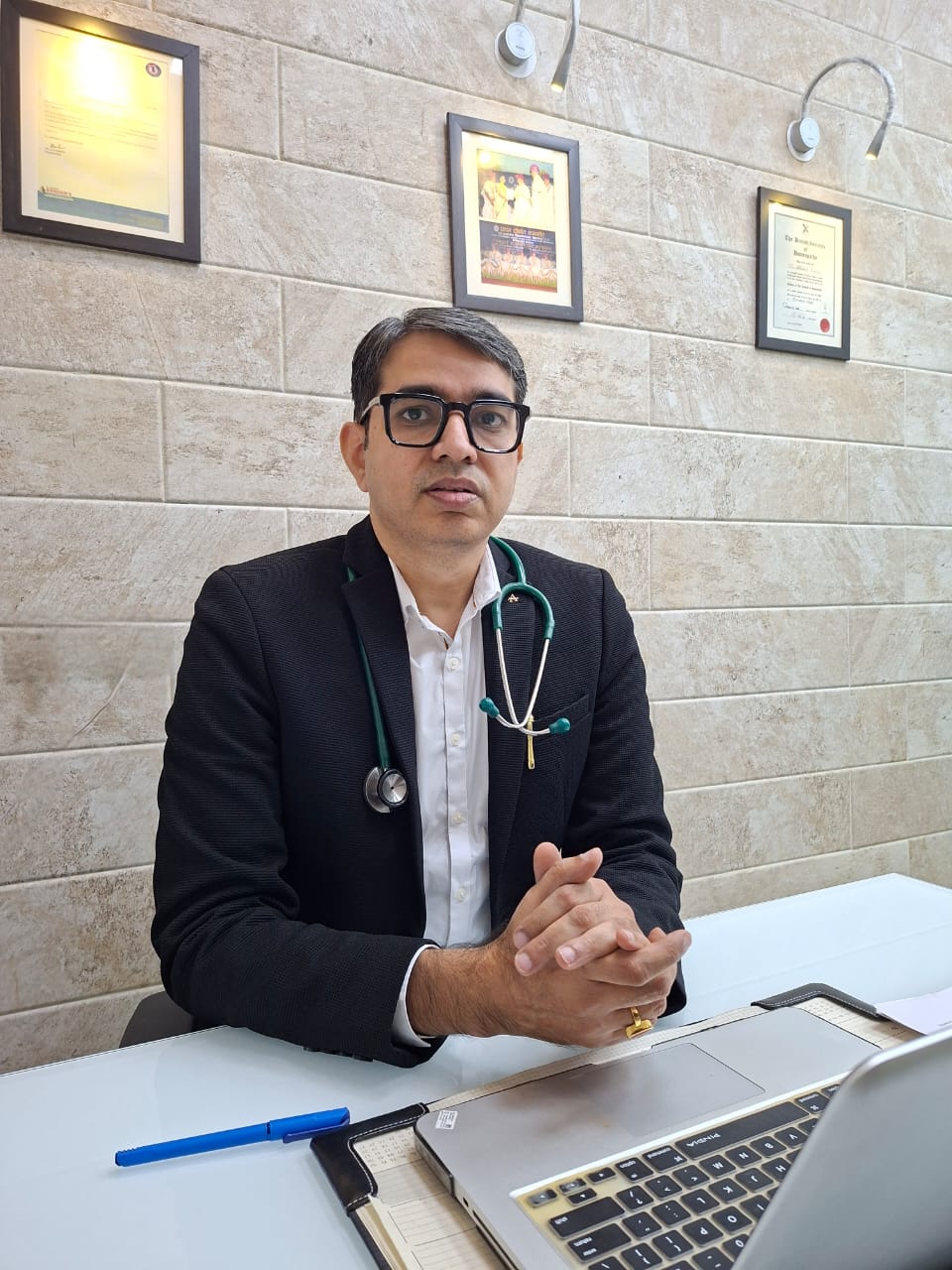
When Indians speak of alternative medicine, one system stands above all others in trust, reach, and cultural resonance — homeopathy. Across villages and metropolitan cities, in government hospitals and private clinics, in grandmothers’ medicine cabinets and urban professionals’ health routines — homeopathy occupies a unique and irreplaceable place in India’s healthcare consciousness.
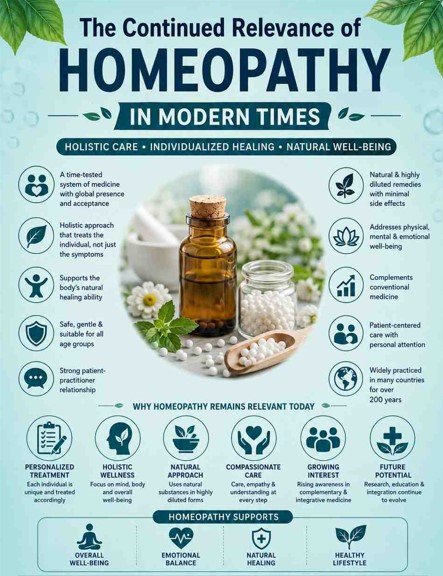
Homeopathy India — Dr. Abhishek Kasana Aura Homeopathy Clinic Faridabad
India is not merely a large consumer of homeopathy. India is homeopathy’s spiritual home — the country where this gentle, natural healing system has found its deepest roots, its largest patient base, its most sophisticated institutional framework, and its most passionate advocates. With over 100 million Indians choosing homeopathy annually and a government that has elevated it to ministerial recognition, homeopathy’s status as India’s most trusted alternative medicine is not a marketing claim — it is a measurable, documented, nationally acknowledged reality.
At Aura Homeopathy Clinic in Faridabad, Dr. Abhishek Kasana has spent years at the intersection of this extraordinary story — treating thousands of patients, witnessing homeopathy’s transformative power across the full spectrum of human disease, and contributing to the growing body of clinical evidence that continues to validate what millions of Indians have always known: homeopathy works.
This comprehensive guide explores everything you need to know about homeopathy as India’s most trusted alternative medicine — its principles, its science, its diseases, its practitioners, its regulation, and its future — written from the clinical frontlines by one of Faridabad’s most respected homeopathic physicians.
What is Homeopathy? — The Foundational Principles
Homeopathy is a complete system of natural medicine founded in the late 18th century by German physician Dr. Samuel Hahnemann (1755–1843). Disillusioned with the harsh, often harmful medical practices of his era — bloodletting, mercury purging, toxic drug cocktails — Hahnemann developed a radically different approach to healing based on three foundational principles that remain the cornerstone of homeopathic practice today:
Principle 1 — Similia Similibus Curentur (Like Cures Like)
The central law of homeopathy — that a substance which produces symptoms in a healthy person can cure similar symptoms in a sick person. Hahnemann articulated this principle after experimenting with Cinchona bark (the source of quinine), observing that it produced malaria-like symptoms in a healthy person while curing malaria in the sick.
This principle — known as the Law of Similars — is not unique to homeopathy. It underlies modern vaccination (introducing a weakened pathogen to stimulate immunity against a stronger one) and allergy immunotherapy (exposing patients to small amounts of allergen to reduce allergic sensitivity). Homeopathy applies this principle with extraordinary precision — matching the complete symptom picture of the patient to the remedy that most closely mirrors it.
Principle 2 — The Minimum Dose
Hahnemann discovered that the curative power of a remedy could be enhanced while its toxic effects were eliminated through a process of serial dilution combined with vigorous shaking — a process he called potentisation. The resulting preparations — homeopathic potencies — are medicines that carry the energetic imprint of the original substance while being free of its chemical toxicity.
This principle explains the safety that has made homeopathy so beloved in India — medicines that are gentle enough for newborns yet powerful enough to address deep chronic disease.
Principle 3 — The Single Remedy
Classical homeopathy prescribes a single, carefully selected remedy at a time — the one remedy that most completely matches the totality of the patient’s symptoms, physical constitution, emotional state, and individual characteristics. This principle of individualisation — treating the person, not the disease — is what distinguishes homeopathy from all other medical systems and gives it its extraordinary depth of healing action.
At Aura Homeopathy Clinic , Dr. Abhishek Kasana adheres strictly to these classical principles — conducting thorough constitutional case analysis, selecting the single most indicated remedy, and monitoring the patient’s response with the precision that this profound system demands.
Why Indians Trust Homeopathy More Than Any Other Alternative Medicine
India has access to a rich diversity of traditional healing systems — Ayurveda, Unani, Siddha, Naturopathy, Yoga, and more. Yet homeopathy has emerged as the most widely used alternative medicine in India, surpassing even the ancient indigenous systems in terms of practitioner numbers and patient reach. Several powerful factors explain this remarkable trust:
- Unparalleled Safety Profile
In a country with a strong cultural preference for treatments that are gentle, non-invasive, and free from harmful side effects — particularly for children, pregnant women, and elderly patients — homeopathy’s safety profile is unmatched. Sweet, tiny pills derived from natural substances through extreme dilution carry no chemical toxicity, no drug interactions, and no dependency risk.
For Indian families — where multiple generations live together and a single medicine cabinet must serve the newborn, the nursing mother, the school-going child, and the elderly grandparent — this universal safety is an incomparable practical advantage.
Homeopathy — India’s Most Trusted Alternative Medicine: A Complete Guide by Dr. Abhishek Kasana, Aura Homeopathy Clinic
Dr. Abhishek Kasana’s clinical perspective: “In over a decade of practice at Aura Homeopathy Clinic, I have never had to stop a homeopathic medicine due to side effects. The same cannot be said of any conventional drug I have ever co-managed. This safety is not theoretical — it is lived clinical reality, experienced by every homeopathic practitioner in India every day.”
- Effectiveness in Chronic Disease — India’s Greatest Health Challenge
India carries one of the world’s heaviest chronic disease burdens — Diabetes affecting over 77 million Indians, Rheumatoid Arthritis affecting 18 million, Psoriasis affecting 2–3% of the population, Asthma affecting 30 million, PCOS affecting 1 in 5 urban women, and Thyroid disorders affecting over 42 million. For all of these conditions, conventional medicine offers lifelong symptom management — but rarely resolution.
Homeopathy’s constitutional approach — treating the underlying susceptibility that drives chronic disease rather than suppressing its symptoms — makes it uniquely effective in this context. Patient after patient arrives at Aura Homeopathy Clinic having spent years on conventional medications that managed their condition without healing it — and discovers, often for the first time, what genuine, lasting improvement feels like.
- Affordability — Healthcare for Every Indian
Homeopathic medicines cost a fraction of branded pharmaceutical drugs — making quality healthcare genuinely accessible to Indians at every economic level. A month’s supply of homeopathic medicines typically costs between ₹50–500, compared to thousands of rupees for equivalent conventional treatment for chronic conditions.
This extraordinary affordability — combined with the availability of government homeopathic hospitals and dispensaries under the AYUSH Mission — makes homeopathy the most democratically accessible form of medical care in India.
- Cultural & Philosophical Alignment
India’s civilisational worldview — shaped by millennia of Vedic, Yogic, and Ayurvedic thought — understands the human being as an integrated whole: body, mind, and spirit in dynamic, inseparable relationship. Disease, in this worldview, is not a mechanical malfunction of an isolated organ — it is a disturbance of the whole person’s vital equilibrium.
Homeopathy’s foundational philosophy — that the whole person must be understood and treated, that the emotional and mental state is as important as the physical symptoms, that every person is a unique individual requiring a unique prescription — resonates so deeply with the Indian philosophical tradition that it feels less like a foreign import and more like a natural expression of India’s own healing wisdom.
- Generational Trust — The Family Medicine Cabinet
For hundreds of millions of Indian families, homeopathy is not a discovery — it is an inheritance. Grandmothers who gave Arnica for bruises and Chamomilla for teething infants have passed this trust to their children, who pass it to their children. This multigenerational trust — built not on advertising or institutional endorsement but on lived family experience across generations — is homeopathy’s deepest and most durable foundation in India.
The Most Common Conditions Treated by Homeopathy in India
Skin Diseases — Homeopathy’s Flagship
Chronic skin diseases represent perhaps the most powerful demonstration of homeopathy’s superiority over conventional treatment in India. Conditions like Psoriasis, Eczema, Vitiligo, Urticaria, and Lichen Planus — for which conventional dermatology offers only steroid-based suppression with inevitable relapse — respond to constitutional homeopathic treatment with genuine, lasting healing.
At Aura Homeopathy Clinic , Dr. Abhishek Kasana has built an exceptional track record in skin disease treatment — with Psoriasis, Vitiligo, and Eczema patients achieving levels of skin clearing and remission that they had been told by conventional dermatologists was impossible.
The mechanism is profound: homeopathy treats the autoimmune and constitutional root of chronic skin disease — correcting the immune dysregulation that drives abnormal skin cell behaviour rather than simply suppressing the resulting inflammation with steroids. The result is healing from within — visible, lasting, and free from the dependency and side effects that steroid-based treatment inevitably produces.
Women’s Health — PCOS, Infertility & Hormonal Balance
India’s epidemic of hormonal disorders in women — PCOS affecting 1 in 5 urban Indian women, infertility affecting 1 in 6 couples, thyroid disorders affecting 42 million — has created an enormous and growing demand for homeopathic gynaecological care.
Women across India are discovering that constitutional homeopathic treatment offers what hormonal pills and Metformin cannot — genuine restoration of the body’s own hormonal intelligence, regular spontaneous ovulation, natural conception, and freedom from the side effects of hormonal suppression therapy.
Dr. Abhishek Kasana brings particular expertise to women’s hormonal health at Aura Homeopathy Clinic — with a clinical track record in PCOS management, natural fertility support, menstrual disorder treatment, and menopausal care that has earned the trust of hundreds of women across Faridabad and the NCR region.
Child Health — India’s Future, Homeopathy’s Specialty
India’s 400 million children represent both the country’s greatest national asset and its most significant healthcare responsibility. Recurrent tonsillitis, frequent respiratory infections, childhood Eczema, bedwetting, ADHD, Autism spectrum support, and the devastating overuse of antibiotics in childhood — all are areas where homeopathy offers safe, effective, and genuinely transformative care.
At Aura Homeopathy Clinic, children’s health is one of Dr. Kasana’s most valued areas of practice — combining deep constitutional expertise with the particular clinical sensitivity that paediatric homeopathy demands. The results — children who stop getting sick every month, children who avoid tonsil surgery, children who outgrow bedwetting gently and confidently, children whose eczema resolves without steroids — are among the most deeply gratifying outcomes in homeopathic practice.
Respiratory & Allergic Conditions
Bronchial Asthma, Allergic Rhinitis, Chronic Sinusitis, and Nasal Polyps — conditions that conventional medicine manages with inhalers and antihistamines indefinitely — respond to constitutional homeopathic treatment with progressive, lasting reduction in symptoms and eventual freedom from medication dependency.
In India’s polluted urban environments — where allergic respiratory conditions are reaching epidemic proportions — homeopathy’s ability to correct the underlying immune hypersensitivity rather than just suppress the allergic response makes it an invaluable and increasingly sought-after treatment option.
Mental & Emotional Health — India’s Silent Epidemic
India faces a severe and growing mental health crisis — with an estimated 197 million Indians suffering from mental health disorders according to the Lancet Psychiatry Commission. Anxiety, depression, OCD, grief, stress-related disorders, and examination anxiety are reaching epidemic levels in India’s pressured, rapidly urbanising society.
Homeopathy’s profound capacity to address mental and emotional disturbance — through constitutional remedies that act simultaneously on mind and body — makes it uniquely valuable in this context. Unlike conventional psychiatric medications that chemically suppress mood disturbances with dependency and side effects, homeopathic constitutional treatment gently corrects the emotional patterns at the root — building genuine, lasting psychological resilience.
At Aura Homeopathy Clinic, Dr. Kasana treats mental and emotional health conditions with the same deep constitutional approach applied to physical disease — recognising that in homeopathy, the artificial separation between mental and physical health simply does not exist.
Digestive Disorders — The Gut Health Revolution
IBS, Ulcerative Colitis, Crohn’s Disease, GERD, Piles, and Fatty Liver — India’s digestive disease burden is enormous and growing, driven by stress, dietary changes, antibiotic overuse, and environmental factors. Constitutional homeopathic treatment addresses digestive disorders through the gut-brain axis — simultaneously treating the emotional drivers, the immune dysregulation, and the physical gut dysfunction in a single, unified prescription.
The Science Behind Homeopathy — India’s Research Contribution
India has made landmark contributions to the scientific understanding of homeopathy — contributions that are reshaping the global conversation about how homeopathic medicines work at the molecular level.
IIT Bombay’s Nanoparticle Research
The most significant scientific breakthrough in homeopathy research came from India’s premier technical institution. Research conducted at the Indian Institute of Technology (IIT) Bombay and published in the peer-reviewed journal Langmuir demonstrated the presence of nanoparticles of source material in highly diluted homeopathic remedies — providing the first material basis for understanding how homeopathic medicines retain biological activity despite extreme dilution.
This research — peer-reviewed, published in an internationally respected journal, and conducted by one of India’s most prestigious scientific institutions — represents a genuine paradigm shift in the scientific understanding of homeopathy. It has generated significant global attention and validated what homeopathic practitioners have observed clinically for over two centuries.
CCRH Clinical Research
The Central Council for Research in Homeopathy (CCRH) — India’s government-funded homeopathy research body — has conducted extensive clinical research across India, documenting homeopathy’s effectiveness in conditions including childhood diarrhoea, allergic rhinitis, Japanese Encephalitis prophylaxis, Rheumatoid Arthritis, Malaria, and Chikungunya.
The CCRH’s multi-centre clinical studies — conducted across thousands of patients in diverse Indian populations — represent the largest body of homeopathic clinical research conducted anywhere in the world, and provide a growing evidence base that continues to validate homeopathy’s clinical effectiveness.
The Vital Force — Homeopathy’s Life Energy Concept
Central to homeopathic theory is the concept of the Vital Force — the intelligent, self-regulating life energy that animates every living being and directs all healing processes. Disease, in homeopathic understanding, begins as a disturbance of this vital force — with physical symptoms being the external expression of this internal dynamic disruption.
This concept — which parallels the Prana of Yogic science, the Qi of Chinese medicine, and the Ojas of Ayurveda — resonates profoundly with India’s philosophical traditions and provides a conceptual bridge between homeopathy and India’s own ancient healing wisdom.
Dr. Abhishek Kasana at Aura Homeopathy Clinic understands and applies the Vital Force concept in clinical practice — recognising that the deepest and most lasting healing occurs when the constitutional remedy resonates with and stimulates the patient’s own vital healing intelligence, rather than imposing a chemical correction from outside.
India’s Regulatory Framework for Homeopathy — A World-Leading Model
India has developed the most comprehensive regulatory framework for homeopathy of any country in the world — ensuring quality, safety, and professional standards across education, practice, and medicine production.
Central Council of Homeopathy (CCH)
Established under the Homeopathy Central Council Act, 1973, the CCH is the apex national regulatory body responsible for maintaining uniform standards of homeopathic education across India, prescribing the BHMS curriculum and examination standards, granting recognition to homeopathic medical colleges and universities, and maintaining the central register of homeopathic practitioners.
BHMS Degree — A Rigorous 5.5-Year Professional Programme
The Bachelor of Homeopathic Medicine and Surgery (BHMS) — India’s professional qualification for homeopathic practice — is a rigorous 5.5-year degree programme (4.5 years of academic study + 1 year of compulsory internship) covering anatomy, physiology, pathology, biochemistry, microbiology, forensic medicine, surgery, obstetrics and gynaecology, medicine, and the complete range of homeopathic subjects including Organon of Medicine, Materia Medica, and Repertory.
Dr. Abhishek Kasana holds the BHMS degree and is registered with the relevant state and central homeopathic councils — ensuring that every patient at Aura Homeopathy Clinic receives care from a fully qualified, properly credentialed homeopathic physician.
Drugs & Cosmetics Act — Quality Standards for Homeopathic Medicines
Homeopathic medicines in India are regulated under the Drugs & Cosmetics Act, 1940 — the same legislation that governs conventional pharmaceutical drugs. This ensures that homeopathic medicines manufactured in India meet strict quality, purity, and potency standards — providing patients with the assurance that the medicines they receive are genuine, properly prepared, and clinically reliable.
Ministry of AYUSH — Political Recognition at the Highest Level
The establishment of the dedicated Ministry of AYUSH in 2014 — with its own Cabinet-level minister, dedicated budget allocation, and comprehensive national programmes — represents the highest level of political recognition that homeopathy has received in any country in the world. This institutional endorsement has accelerated research funding, infrastructure development, international collaboration, and public awareness of homeopathy across India in ways that are transforming the system’s reach and credibility.
Homeopathy Across India’s Regions — A Living Cultural Map
One of the most fascinating aspects of homeopathy in India is its rich regional diversity — with distinct traditions, clinical emphases, and cultural expressions of homeopathic practice across different parts of the country.
West Bengal — The Cradle of Indian Homeopathy
West Bengal is the historical heartland of homeopathy in India — where the system first took root in the early 19th century and developed the deepest and most sophisticated clinical traditions. Kolkata is home to some of India’s oldest homeopathic medical institutions, the most revered homeopathic practitioners, and a public culture of homeopathy that has no parallel anywhere else in the country. West Bengal’s tradition of classical, rigorous, individualised homeopathic prescribing has influenced practitioners across India and produced generations of India’s most distinguished homeopathic physicians.
Maharashtra — Urban Homeopathy’s Powerhouse
Maharashtra — and Mumbai in particular — has developed India’s most commercially dynamic and institutionally sophisticated homeopathic ecosystem. The state has a large number of homeopathic medical colleges, a thriving private practice sector, and an increasingly urban, educated patient base that chooses homeopathy based on informed preference rather than tradition alone.
Kerala — Integrative Excellence
Kerala — India’s model health state — has developed a uniquely integrated approach to healthcare that seamlessly combines conventional medicine with AYUSH systems including homeopathy. The state’s high health literacy, strong public health infrastructure, and cultural openness to both traditional and modern medicine have made it a global model for integrative healthcare delivery.
Haryana & Delhi NCR — The Rising North
The Delhi NCR region — including Faridabad, Gurugram, Noida, and Greater Noida — is one of India’s fastest-growing homeopathy markets, driven by a large, educated, urban professional population that is increasingly dissatisfied with conventional medicine’s limitations in chronic disease management and seeking natural, holistic alternatives.
It is in this context that Aura Homeopathy Clinic — under Dr. Abhishek Kasana — has established itself as one of Faridabad’s most trusted and respected homeopathic institutions. Serving patients across Faridabad, Ballabhgarh, NIT, Old Faridabad, Gurugram, Delhi, and the broader NCR region — both in-clinic and online — Aura represents the best of the NCR’s rising homeopathy culture: scientifically informed, classically grounded, clinically excellent, and patient-centred.
Dr. Abhishek Kasana — Clinical Philosophy & Approach
At the heart of Aura Homeopathy Clinic ‘s clinical excellence is Dr. Abhishek Kasana’s distinctive approach to homeopathic practice — shaped by rigorous training, years of clinical experience, continuous learning, and a deep personal commitment to the healing power of constitutional homeopathy.
The Constitutional Approach — Treating the Person, Not the Disease
Dr. Kasana’s practice is built on the cornerstone of classical constitutional homeopathy — the understanding that every patient is a unique individual whose complete physical, mental, and emotional profile must be understood before a single remedy is prescribed.
“Two patients may both come to me with Psoriasis,” Dr. Kasana explains. “But one is anxious, chilly, restless, and wakes at night with burning; the other is cheerful, warm-blooded, and has skin that improves in summer. These are two completely different constitutional types — they need completely different remedies. The disease name is the same; the person is different. And in homeopathy, we treat the person.”
This deeply individualised approach — which requires thoroughness, patience, and clinical sophistication — produces the depth of healing that has made Aura Homeopathy Clinic one of Faridabad’s most trusted healthcare destinations.
Compassionate, Patient-Centred Care
Beyond clinical expertise, what patients consistently describe as most distinctive about Dr. Kasana and Aura Homeopathy Clinic is the quality of care — the unhurried consultations, the genuine listening, the respect for each patient’s individual experience, and the commitment to honest, transparent communication about what homeopathy can and cannot achieve for each specific case.
“Patients come to me after often many years of suffering,” Dr. Kasana reflects. “They deserve honesty, compassion, and the highest level of clinical skill I can bring to their case. That is what Aura Homeopathy Clinic exists to provide.”
The Digital Revolution — Homeopathy in India Online Health Ecosystem
One of the most significant recent developments in India’s homeopathy story is the digital revolution that is transforming how patients access homeopathic care — and how homeopathic practitioners reach and serve their patients.
Online Consultation — Breaking Geographical Barriers
The COVID-19 pandemic accelerated India’s adoption of teleconsultation — and homeopathy, with its consultative, non-procedural nature, proved particularly well-suited to the online format. Homeopathic doctors across India — including Dr. Abhishek Kasana at Aura Homeopathy Clinic — now routinely conduct comprehensive constitutional case-taking via video consultation, review investigation reports and medical photographs digitally, and prescribe medicines that are delivered to patients’ doorsteps across India.
This digital transformation has democratised access to quality homeopathic care — making it possible for a patient in a small town in Rajasthan to consult one of Faridabad’s most respected homeopathic doctors without leaving their home.
Social Media & Health Literacy
YouTube, Instagram, and health blogs have dramatically expanded public health literacy about homeopathy across India — with millions of Indians consuming educational content about constitutional homeopathy, specific condition treatments, and patient success stories. This digital education is producing a new generation of informed homeopathy patients who choose the system based on understanding rather than tradition alone.
AI & Homeopathy — The Emerging Frontier
India’s rapidly developing AI health sector is beginning to intersect with homeopathy in fascinating ways — from AI-assisted repertorisation tools that help practitioners navigate the vast homeopathic Materia Medica more efficiently, to digital platforms that connect patients with qualified practitioners, to large language models that are increasingly being asked about homeopathy by millions of health-curious Indians.
Choosing the Right Homeopathic Doctor in India — A Patient’s Guide
With over 2,10,000 registered homeopathic practitioners in India, choosing the right doctor is one of the most important health decisions a patient can make. Dr. Abhishek Kasana of Aura Homeopathy Clinic offers this guidance:
Qualification Verification
Always verify that your homeopathic doctor holds a recognised BHMS degree from an approved institution and is registered with the relevant state or central homeopathic council. In India, this information is publicly verifiable through the CCH register.
Classical vs Polypharmacy Practice
The most effective homeopathic treatment follows classical principles — single remedy, individualised prescription, constitutional approach. Be cautious of practitioners who prescribe multiple remedies simultaneously or rely heavily on patent combination medicines, as this approach sacrifices the individualisation that is homeopathy’s greatest strength.
Thoroughness of Case-Taking
A good homeopathic consultation should take at least 45–90 minutes for a new patient — exploring not just the presenting complaint but the complete physical, mental, and emotional profile. If a homeopathic consultation lasts less than 20 minutes for a chronic case, the prescription is unlikely to be deeply individualised.
Transparency About Outcomes
A trustworthy homeopathic doctor is honest about what homeopathy can and cannot achieve for each specific case — setting realistic expectations, communicating clearly about treatment timelines, and recommending conventional medical investigation and co-management where necessary.
Track Record & Patient Outcomes
Google reviews, patient testimonials, and word-of-mouth reputation within the local community are valuable indicators of a homeopathic doctor’s clinical effectiveness and patient care quality.
At Aura Homeopathy Clinic , Faridabad, Dr. Abhishek Kasana meets every one of these standards — providing fully qualified, classically grounded, thoroughly individualised, honest, and compassionate homeopathic care to every patient.
Frequently Asked Questions — Homeopathy in India
- Is homeopathy scientifically proven?
The evidence base for homeopathy is growing — supported by clinical research from the CCRH, nanoparticle studies from IIT Bombay, European randomised controlled trials, and large-scale epidemiological studies during epidemic outbreaks in India. While homeopathy’s mechanism of action continues to be scientifically investigated, its clinical effectiveness is documented across thousands of published studies and experienced by over 100 million Indians annually. Dr. Abhishek Kasana at Aura Homeopathy Clinic practices evidence-informed homeopathy — combining classical constitutional principles with systematic clinical documentation. - Is homeopathy safe to use alongside conventional medicines?
Yes. Homeopathic medicines do not interact with conventional pharmaceutical drugs — they can be used safely alongside existing medications. Dr. Kasana advises all patients to continue existing conventional medication and consult their conventional doctor before making any medication changes based on homeopathic treatment progress. - How long does homeopathic treatment take to show results?
Acute conditions respond within hours to days. Chronic conditions that have developed over months or years typically require 3–18 months of constitutional treatment for deep and lasting results. Dr. Kasana provides honest, case-specific timeline expectations to every patient at Aura Homeopathy Clinic. - Which diseases respond best to homeopathic treatment in India?
Homeopathy is particularly effective in chronic skin diseases (Psoriasis, Eczema, Vitiligo), autoimmune conditions (Rheumatoid Arthritis, Alopecia Areata), hormonal disorders (PCOS, Thyroid), respiratory allergies (Asthma, Allergic Rhinitis), digestive disorders (IBS, Ulcerative Colitis), mental health conditions (Anxiety, OCD), child health (recurrent infections, bedwetting), and migraine — across all of which it offers genuine constitutional healing rather than mere symptom suppression. - Can homeopathy treat serious diseases in India?
Homeopathy is most effective as a primary treatment for chronic and functional disorders, and as a complementary treatment alongside conventional care for serious diseases including autoimmune conditions, inflammatory bowel disease, and cancer supportive care. Dr. Kasana maintains transparent, collaborative relationships with conventional specialists for patients requiring co-management. - How do I find a good homeopathic doctor near me in India?
Look for a BHMS-qualified, CCH-registered practitioner with a strong reputation for classical, individualised prescribing, thorough case-taking, and honest patient communication. In Faridabad and the NCR region, Dr. Abhishek Kasana at Aura Homeopathy Clinic is widely regarded as one of the finest homeopathic practitioners — available for both in-clinic and online consultations across India. - What makes Aura Homeopathy Clinic different from other Top homeopathy clinics in India?
Aura Homeopathy Clinic distinguishes itself through strict adherence to classical constitutional homeopathy, systematic clinical documentation and research orientation, Dr. Kasana’s deep expertise across a comprehensive range of conditions, genuinely personalised care for every patient, complete transparency about treatment expectations, and the combination of in-clinic and online consultation accessibility that makes expert homeopathic care available across India.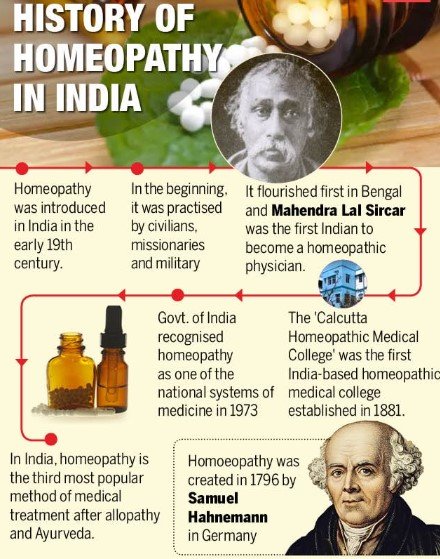
History-of-Homeopathy-in-India
Conclusion — Homeopathy in India, Complete Story: Ancient Wisdom, Modern Science, Timeless Trust
Homeopathy’s position as India’s most trusted alternative medicine did not happen by accident or by advertising. It was earned — over 200 years, across hundreds of millions of patient encounters, through the quiet but unmistakable accumulation of clinical results that speak louder than any scientific debate.
It was earned in the West Bengal grandmother who gave Arnica to her bruised grandchild and watched the swelling disappear overnight. In the Faridabad mother who avoided her child’s tonsil surgery through homeopathic treatment. In the Mumbai professional whose decade-long Psoriasis finally cleared through constitutional care. In the Haryana farmer’s wife who conceived naturally after years of PCOS-related infertility. In the Delhi student whose examination paralysis transformed into confident performance after constitutional homeopathic treatment.
These are not anecdotes. They are the texture of a 200-year clinical tradition — lived, documented, and continuously validated by the ongoing experience of over 100 million Indians who choose homeopathy every year because it works for them, their families, and their communities.
At Aura Homeopathy Clinic in Faridabad, Dr. Abhishek Kasana carries this tradition forward — with the rigour of classical training, the humility of a lifelong learner, the compassion of a physician who genuinely cares about every patient’s wellbeing, and the conviction of a practitioner who witnesses homeopathy’s transformative power every day.
India’s homeopathy story is not finished. It is, in many ways, just beginning — as science catches up with clinical observation, as digital platforms democratise access, as a new generation of informed patients chooses natural healing, and as India’s homeopathic tradition takes its rightful place at the centre of global integrative healthcare.
And at clinics like Aura Homeopathy — in cities like Faridabad, in the heart of India’s NCR — that story is being written, one patient at a time.
Consult Dr. Abhishek Kasana at Aura Homeopathy Clinic :
📍 Location: Faridabad, Haryana, India
📞 Contact: [9873537001]
🌐 Website: [Aura Homeopathy Clinic]
⏰ Clinic Hours: Monday to Saturday | [10:00-22:00]
💻 Online Consultations: Available Across India | Book via Call or Website
Aura Homeopathy Clinic , Faridabad
India’s Most Trusted Homeopathic Healing. Delivered with Compassion & Clinical Excellence.
Led by Dr. Abhishek Kasana | Classical Constitutional Homeopathy | Research-Driven | Zero Side Effects