
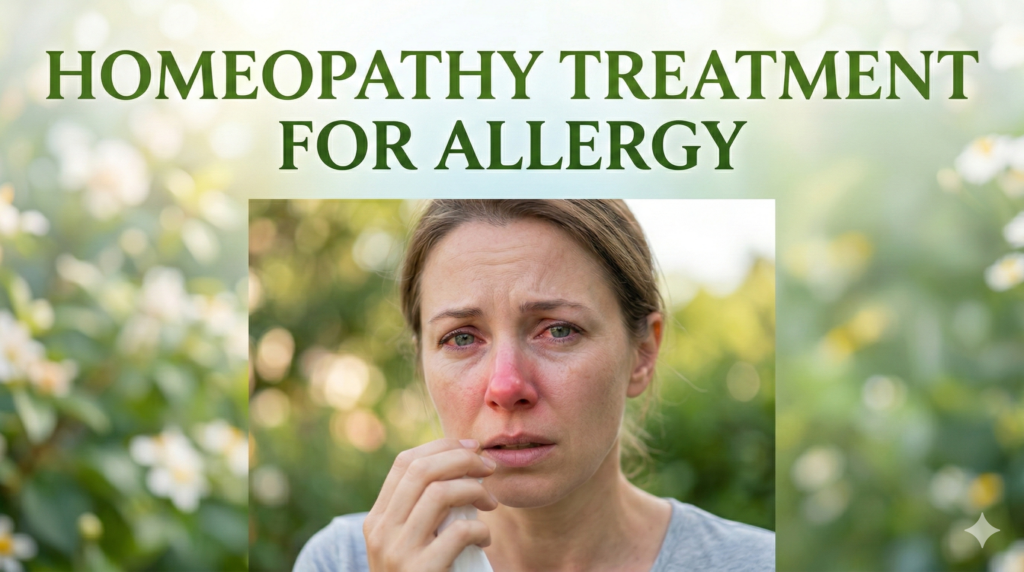
In the fast and polluted world, people become highly allergic. Allergic reactions cause a serious influence on life, such as seasonal sneezing and watery eyes, permanent skin rashes, and breathing complications. Unlike traditional medicine, most people are interested in reducing symptoms using antihistamines and steroids, but others are approaching alternative methods that deal with the underlying cause of their complication. Homoeopathy treatment for allergy is one of such options.
Homoeopathy is a holistic approach to medicine, which strives to induce self-healing of the human body. Instead of merely managing the symptoms, it aims at rectifying the underlying immune imbalance to activate allergic reactions.
The blog examines the applications of homoeopathy in allergy treatment, its concepts, popular medicines, and the reasons why people believe it is a safe and lasting solution.
What are Allergies and their Causes?
An allergy is a hypersensitivity of the immune system that is not normally dangerous. These materials or substances are referred to as allergens and may consist of pollen, dust mites, pet dander, food, insect sting, or medications. Exposure to an allergen leads the body to produce antibodies that cause the release of chemicals such as histamine and other signs of allergy. The typical symptoms of allergy are:
- Congestion of the nose and sneezing.
- Runny nose
- Itchy or watery eyes
- Skin rashes or hives
- Breathing difficulty
- Food allergies in the digestive system.
Allergies are seasonal, e.g., the presence of hay fever in spring, or permanent and appear all year because of indoor allergens, e.g., dust or mold.
The Homoeopathic Philosophy of Allergy-Referred Medical Treatment
The principle of homoeopathy is like cures like. It implies that a drug causing symptoms in a healthy individual can treat the same symptoms in an unwell individual in a highly diluted form. Homoeopathy does not attack the allergy itself but tries to activate the vital force of the body or the self-healing process.
Homoeopathy does not require a physician to prescribe medicine, depending on the nature of the allergy. Rather, it emphasizes the general health, mood, and lifestyle of the individual, and the peculiarities of the symptoms. Such individualistic therapy guarantees that the treatment fits the constitution of the patient. Its purpose is not only to control the symptoms but create a balance in the immune system and the severity of allergic reactions in the long run.
Types of Allergic Conditions
The use of homoeopathy to treat allergies can help in several allergic disorders.
- Allergic Rhinitis
Hay fever or allergic rhinitis is a disease characterized by sneezing, nasal congestion, a runny nose, and itchy eyes. Homoeopathic remedies are targeted to decrease allergy to pollen and dust. With time, patients usually have less frequency and severity of attacks.
- Skin Allergies
Homoeopathy is usually effective in the treatment of eczema, hives, and contact dermatitis. Homeopathy does not suppress skin eruptions by using topical steroids, but rather, it controls them through an internal mechanism by correcting a dysfunction in the immune system. Long-term improvement is seen in most instances.
- Food Allergies
Food allergies may result in digestive, skin, and respiratory symptoms. Homoeopathy manages both the allergic response and digestive imbalances, and the body slowly learns to tolerate previously provoking foods, with the help of the doctor.
- Asthma
Allergic asthma is triggered by allergens, leading to airway inflammation and breathlessness. Homoeopathic medications are used to lessen the intensity and frequency of asthma attacks and improve lung functioning.
A Guide to What to Expect in Homoeopathic Treatment
An initial appointment with a homoeopathic doctor is generally elaborate. The practitioner can ask questions regarding:
- Nature and duration of symptoms
- Animating and precipitating factors
- Stress and emotional health
- Sleep patterns and appetite
- Family medical history
On this evaluation, a constitutional correction is ordained. The follow-up visits are arranged to check progress and change the treatment. There is a temporary exacerbation of the symptoms called a homoeopathic aggravation. It is usually mild and temporary, which means the body is reacting to treatment.
Popular Homoeopathic Remedies for Allergies
Homoeopathic medicines are chosen depending on the symptoms of the individual. The following remedies were used:
- Allium Cepa
It is an extract of red onion and given to allergic rhinitis accompanied by excessive watery nasal secretion and burning in the nose.
- Sabadilla
It is given when a person has repeated sneezes, irritation in the nose, and allergies to pollen. It is prescribed frequently to hay fever patients.
- Arsenicum Album
The treatment applies to people having nasal congestion, burning discharge, restlessness, and nocturnal symptoms.
- Natrum Muriaticum
Usually provide to treat seasonal allergies with watery discharge, sneezing, and headaches caused by sunlight.
- Apis Mellifica
It is based on the Honeybee sting and serves to treat hives and skin allergies with swelling, reddening, and stinging.
- Sulphur
It is used in chronic skin allergies, like itchy and dry, and also given to patients with recurring allergies. An experienced homoeopathic doctor scrutinizes the symptoms and selects the right remedy and strength.
The Advantages of Homoeopathy Treatment for Allergy
Many people prefer homoeopathy due to various reasons.
- Holistic Healing
Homoeopathy does not only concentrate on symptoms, but it treats the individual as a whole. The treatment includes emotional stress, dietary habits, and lifestyle factors.
- Long-Term Relief
Homoeopathy is expected to decrease the sensitivity of the body to allergens with time, unlike conventional medications, which offer temporary relief. Patients can have a reduction in allergic attacks with proper treatment.
- Minimal Side Effects
Homoeopathic medicines are also highly diluted and are normally safe when administered in the right mode of delivery. It is prescribed to children, pregnant women, and the elderly under the guidance of a specialist.
- Improved Immunity
Homoeopathy improves the responsibility of the immune system, making the body respond better to environmental causes.
Difference between Homoeopathy and Conventional Allergy Treatment
Some of the traditional methods of treating allergy are antihistamines, decongestants, corticosteroids, and immunotherapy. These medications are used to treat acute symptoms but might not treat the cause of the allergy tendency. Homoeopathic treatment of allergy is different in several ways:
- It is concerned with individualized treatment, as opposed to the one-size-fits-all treatment.
- Remedies are extremely thin and are usually taken as safe with few side effects.
- It tries to elevate the immune system and decrease hypersensitivity.
- It considers mental and emotional aspects and physical symptoms.
- Homoeopathy focuses on slow and long-lasting recovery, whereas conventional medicine offers quick relief from the symptoms.
Lifestyle Advice to Promote Homoeopathy in Treating Allergies
Although homoeopathic treatment is designed to harmonize the immune system, lifestyle changes can supplement it:
- Keep the interior clean to minimize dust exposure.
- Consume a healthy diet, like fruits and vegetables.
- Hydrate to aid in detoxification.
- Keep stress management practices like yoga or meditation.
- Get a sufficient amount of sleep to boost immunity.
- Healthy practices and homoeopathy can help make the body healthier and guarantee fewer allergic episodes.
Conclusion
Homoeopathic allergy medicine is a holistic and individualistic treatment designed to enhance the natural defense mechanism of the body. Homoeopathy aims at minimizing the frequency and intensity of allergic reactions in the long run by addressing the person and not the symptoms only. Whether it is seasonal rhinitis and allergies of the skin or respiratory sensitivities, a remedy can help restore a balance in the immune system and enhance the quality of life.
Although the outcomes are different depending on an individual, people enjoy the personalized and gentle aspect of the homoeopathic care. Homoeopathy is used as an auxiliary route for the long-term management of allergies when optimal lifestyle habits and health care control accompany it.